


Băng dính màng PTFE nguyên chất: Đặc tính, ứng dụng và hướng dẫn lựa chọn
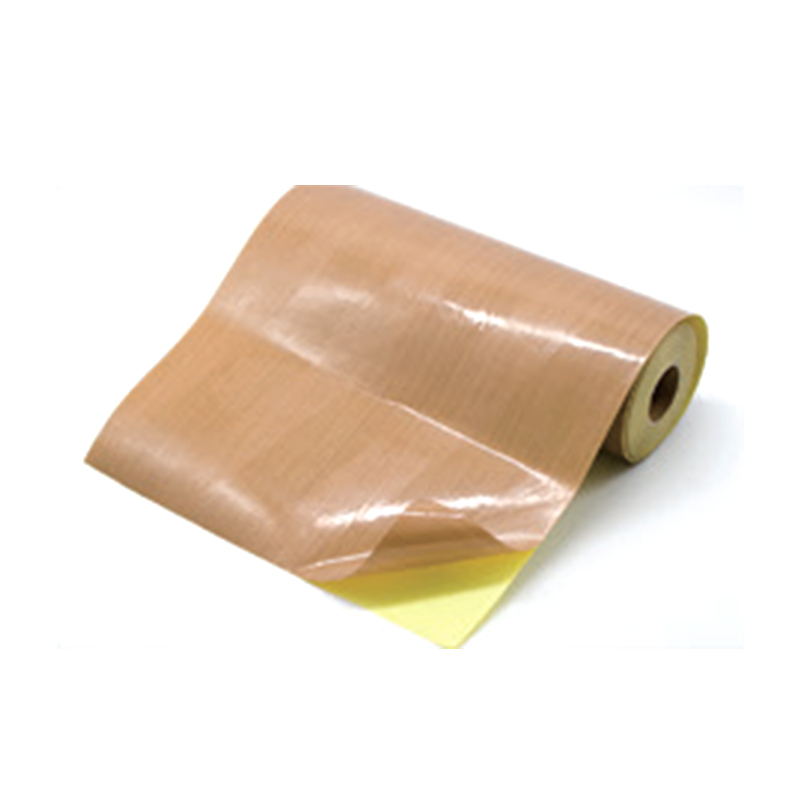
Băng phim PTFE là băng keo nhạy áp lực hiệu suất cao bao gồm lớp nền màng polytetrafluoroethylene (PTFE) với lớp dính—thường là silicone hoặc acrylic—ở một mặt. Băng kết hợp các đặc tính giải phóng đặc biệt, độ ổn định nhiệt và độ trơ hóa học của PTFE nguyên chất với sự tiện lợi của dạng keo dán sẵn. Trong môi trường công nghiệp, nó phục vụ các chức năng mà không một vật liệu đơn lẻ nào có thể sao chép đồng thời: hoạt động như một bề mặt chống dính trên thiết bị hàn nhiệt hoạt động ở 260°C , cung cấp vật liệu cách điện với độ bền điện môi vượt quá 40 kV/mm và chống lại sự phân hủy khi tiếp xúc với gần như tất cả các hóa chất ngoại trừ kim loại kiềm nóng chảy và một số chất florua hóa. Từ dây chuyền đóng gói sản xuất hàng nghìn túi kín mỗi giờ cho đến yêu cầu che phủ chính xác trong sản xuất mạch linh hoạt, băng dính PTFE đã trở thành công cụ không thể thiếu để đảm bảo bề mặt luôn sạch sẽ, không ma sát và ổn định nhiệt trong các điều kiện quy trình khắc nghiệt.
Cấu trúc vật lý của băng dính nhạy áp lực PTFE
A Băng dính nhạy áp lực PTFE được xây dựng thành các lớp, mỗi lớp đóng góp một chức năng cụ thể. Phần nền là một bộ phim PTFE nguyên chất , thường được sản xuất bằng cách cạo - bóc một tấm mỏng liên tục từ phôi PTFE hình trụ đặc - tạo ra bề mặt dày đặc, không có lỗ chốt với độ xốp vốn có thấp. Màng PTFE bị trượt mang lại đặc tính giải phóng đặc trưng của băng: năng lượng bề mặt xấp xỉ 18–20 mN/m , thấp đến mức hầu như không có chất nào, từ chất kết dính nóng chảy đến mực in, có thể liên kết vĩnh viễn với nó. Đây là nền tảng của Đặc tính chống dính của băng PTFE điều đó làm cho nó có giá trị trong các ứng dụng phát hành.
Lớp dính được áp dụng cho một mặt của màng. trong PTFE nguyên chất film adhesive tape , sự lựa chọn chất kết dính—silicone hoặc acrylic—là điểm khác biệt chính về hiệu suất. Chất kết dính xác định giới hạn nhiệt độ, chất nền mà băng sẽ liên kết và liệu băng có thể được sử dụng trong môi trường nhạy cảm với silicon hay không. Lớp lót chống dính, thường là giấy hoặc màng phủ silicon, bảo vệ chất kết dính cho đến khi dán. Đối với các ứng dụng mà băng phải được định vị chính xác trước khi dán, ưu tiên sử dụng lớp lót tháo rời vi sai có thể dễ dàng tháo ra khỏi một cạnh. Tổng công trình có thể dao động từ dưới 0,1 mm cho sự phù hợp tốt hơn 0,25 mm cho các bề mặt chịu mài mòn nặng.
Đặc tính băng dính lõi PTFE: Nhiệt, hóa học và điện
Giá trị công nghiệp của Đặc tính băng dính PTFE nằm ở sự kết hợp các đặc tính mà không một loại polymer hay kim loại nào có thể sao chép được. Các thuộc tính này xác định phạm vi ứng dụng của băng và phải được tham chiếu chéo với các yêu cầu của quy trình trước khi lựa chọn.
| Tài sản | Giá trị điển hình | Sự liên quan về công nghiệp |
|---|---|---|
| Nhiệt độ dịch vụ liên tục (keo silicon) | -73°C đến 260°C | Cho phép sử dụng trên các thanh hàn nhiệt, mặt nạ nồi hấp và ống dẫn khí nóng mà không bị suy giảm chất lượng |
| Độ bền điện môi (phim 0,1 mm) | 40–60 kV/mm | Thích hợp để cách điện cuộn dây động cơ, bọc cuộn dây và kết nối điện áp cao |
| Năng lượng bề mặt | 18–20 mN/m | Bản phát hành gần như phổ biến; ngăn ngừa sự bám dính của keo, mực và nhựa nhiệt dẻo |
| Hệ số ma sát (tĩnh) | 0,05–0,10 | Giảm mài mòn trên bề mặt trượt; có chức năng như một lớp bôi trơn khô |
| Kháng hóa chất | Chịu được gần như tất cả các hóa chất ngoại trừ kim loại kiềm nóng chảy và khí flo | Có thể được sử dụng để lót bể chứa hóa chất, bảo vệ cảm biến và mặt nạ trong quá trình vệ sinh mạnh mẽ |
các Kháng hóa chất băng PTFE đặc điểm đáng được quan tâm đặc biệt. PTFE trơ với các axit mạnh bao gồm axit sulfuric, nitric và hydrochloric ở nồng độ lên tới 98% dung môi hữu cơ, dầu và chất oxy hóa. Điều này làm cho nó trở thành vật liệu đáng tin cậy để che các bảng mạch in trong quá trình tẩy rửa bằng hóa chất mạnh hoặc để bảo vệ các đồ đạc bằng kim loại trong bể mạ điện. Chỉ trong những điều kiện khắc nghiệt—tiếp xúc với khí nguyên tố natri, kali hoặc flo ở nhiệt độ cao—PTFE mới phản ứng, đó là lý do tại sao những môi trường hóa học cụ thể đó vẫn là tiêu chí loại trừ chính. Tuy nhiên, lớp dính có đặc tính kháng hóa chất riêng; Chất kết dính silicone chịu được phạm vi hóa học rộng hơn so với acrylic, chất kết dính này mềm hơn khi tiếp xúc với xeton và este.
Băng PTFE cho các ứng dụng nhiệt độ cao: Hàn nhiệt và hơn thế nữa
các largest single application category for this product is Băng PTFE cho các ứng dụng nhiệt độ cao , và trong danh mục đó, Băng PTFE dùng cho máy hàn nhiệt chiếm phần lớn lượng sử dụng. Trên thanh hàn nhiệt liên tục—hàm được làm nóng để kết hợp màng bao bì nhựa nhiệt dẻo—băng đóng vai trò đồng thời như một bề mặt giải phóng và bề mặt phân cách nhiệt. Nếu không có lớp phủ băng PTFE, màng polyetylen hoặc polypropylen nóng chảy sẽ dính vào hàm kim loại nóng, làm ngừng sản xuất và cần phải vệ sinh thủ công. Với băng PTFE được dán đúng cách, gói kín sẽ giải phóng sạch sẽ sau mỗi chu kỳ và hàm không còn cặn trong hàng chục ngàn chu kỳ trước khi việc thay thế băng trở nên cần thiết.
các thermal pathway works as follows: the heating element raises the jaw temperature to the setpoint, typically 180–220°C cho màng LDPE. Nhiệt dẫn qua băng PTFE và đi vào vật liệu đóng gói, làm nóng chảy vật liệu đóng gói ở đường dán. Năng lượng bề mặt thấp của PTFE đảm bảo polyme nóng chảy sẽ giải phóng hoàn toàn khi hàm mở ra. Đối với ứng dụng này, độ dày màng là 0,13–0,18 mm với chất kết dính silicone là tiêu chuẩn. Chất kết dính silicon duy trì sự liên kết của nó với hàm kim loại ở nhiệt độ hoạt động liên tục, trong khi màng PTFE cung cấp cả khả năng giải phóng và mức độ tuân thủ cơ học bù đắp cho độ lệch nhẹ của hàm. Ngoài bao bì, Băng PTFE cho các ứng dụng nhiệt độ cao mở rộng đến việc bịt kín ống dẫn khí nóng, che phủ bằng nồi hấp trong xử lý composite và làm bề mặt giải phóng trên các tấm ép nóng trong máy ép cán.
Băng phim PTFE dùng cho cách điện và điện tử
Băng phim cách điện PTFE khai thác độ bền điện môi cao, hệ số tản nhiệt thấp và xếp hạng lớp nhiệt của vật liệu. Trong cuộn dây động cơ và máy biến áp, băng PTFE được quấn quanh cuộn dây để tạo lớp cách điện giữa các lớp vẫn ổn định ở nhiệt độ cao. Lớp H đánh giá nhiệt độ 180 ° C. Không giống như băng polyester hoặc polyimide có thể bị thoái hóa hoặc giòn theo thời gian ở nhiệt độ cao, PTFE vẫn giữ được tính linh hoạt và tính chất điện môi, kéo dài tuổi thọ của thành phần vết thương. Băng này cũng được sử dụng để cách điện các thanh cái, mối nối và dây dẫn hở trong môi trường có nhiệt, độ ẩm và hơi hóa chất cùng tồn tại—những điều kiện sẽ làm suy giảm nhanh chóng băng keo điện PVC thông thường.
Trong sản xuất thiết bị điện tử, băng dính PTFE có ứng dụng trong mặt nạ hàn sóng, nơi nó bảo vệ các ngón tay tiếp xúc mạ vàng khỏi tia hàn và làm lớp lót giải phóng trong quá trình cán mạch in linh hoạt. Đối với những ứng dụng này, một lớp mỏng 0,05–0,08 mm băng keo có chất kết dính acrylic thường được chỉ định vì chất kết dính acrylic không chứa silicone và do đó tương thích với các yêu cầu về độ sạch của lắp ráp điện tử. Ô nhiễm silicon từ cặn keo có thể gây ra khuyết tật về khả năng hàn và hỏng tiếp điểm đầu nối, vì vậy việc lựa chọn băng keo PTFE dính acrylic sẽ loại bỏ hoàn toàn nguy cơ này. Độ ổn định nhiệt của băng cũng cho phép nó tồn tại ở nhiệt độ làm nóng trước và hàn của quá trình sóng mà không bị nhấc, cuộn tròn hoặc để lại cặn keo trên bảng.
Ứng dụng băng phim PTFE mở rộng trong các ngành công nghiệp
các range of Ứng dụng băng phim PTFE vượt xa hai trường hợp sử dụng chủ yếu là bịt kín nhiệt và cách điện. Sự kết hợp giữa đặc tính chống dính, phạm vi nhiệt độ rộng và độ trơ hóa học tạo ra tiện ích trong các hốc nơi bề mặt phải đồng thời giải phóng, cách nhiệt và chống lại sự tấn công.
- Băng tải và lớp lót máng: Được áp dụng cho máng kim loại, ray dẫn hướng và bề mặt băng tải, băng PTFE làm giảm ma sát và ngăn ngừa sự tích tụ cặn dính, vụn thức ăn hoặc mảnh vụn bao bì. Trong chế biến thực phẩm, băng tuân thủ các yêu cầu FDA 21 CFR 177.1550 để tiếp xúc với thực phẩm nên có thể chấp nhận sử dụng trên các bề mặt tiếp xúc với thực phẩm khô.
- Tách khuôn trong sản xuất vật liệu composite: Trong quá trình đóng rắn các tấm epoxy bằng sợi carbon hoặc sợi thủy tinh, băng PTFE được dán lên bề mặt khuôn sẽ ngăn phần được xử lý liên kết với dụng cụ. Không giống như chất giải phóng chất lỏng, băng keo không để lại sự dịch chuyển trên bề mặt chi tiết và có thể được thay thế nhanh chóng giữa các chu kỳ xếp chồng.
- Lớp phủ trục lăn và con lăn: Trong in ấn, cán màng và xử lý dệt, các con lăn được phủ băng PTFE chống lại sự tích tụ mực và chất kết dính, giảm thời gian dừng làm sạch và ngăn ngừa vết chuyển trên vật liệu đã xử lý.
- Bảo vệ bể chứa hóa chất và mặt bích: băng PTFE kháng hóa chất làm cho nó phù hợp để bảo vệ vành và mặt bích của bể chứa hóa chất khỏi bị ăn mòn. Nó cũng có thể được quấn quanh thân van và vỏ cảm biến tiếp xúc với chất lỏng xử lý mạnh.
- cácrmoforming release: Trên các trạm hàn và cắt của máy đóng gói vỉ, băng PTFE ngăn không cho vỉ nhựa đã được nung nóng dính vào dụng cụ, tạo điều kiện cho các chu trình tạo hình và cắt nhất quán.
Trong mỗi ứng dụng này, đề xuất giá trị của băng là như nhau: nó sử dụng bề mặt PTFE bền, trơ về mặt hóa học, không dính cho một chất nền mà lẽ ra sẽ yêu cầu thành phần PTFE số lượng lớn tốn kém. Hàm bịt kín bằng thép được bọc bằng băng PTFE có giá chỉ bằng một phần nhỏ so với hàm PTFE đặc, có thể được người vận hành thay thế trong vài phút và mang lại hiệu suất nhả tương đương. Khả năng tiếp cận này là điều đã làm cho băng phim PTFE trở thành vật liệu tiêu chuẩn trong rất nhiều môi trường sản xuất.
Chọn băng đúng: Thuộc tính phù hợp với nhu cầu xử lý
Chọn băng phim PTFE phù hợp có nghĩa là kết hợp ba thông số chính—độ dày màng, loại chất kết dính và chiều rộng—với các thông số quy trình. Một ứng dụng hàn nhiệt đang chạy 60 chu kỳ mỗi phút ở 200°C yêu cầu thông số kỹ thuật của băng khác với hoạt động che phủ một lần trên bảng mạch. Logic quyết định đi từ điều kiện đòi hỏi khắt khe nhất trở xuống: xác định nhiệt độ cao nhất mà băng phải chịu được, ứng suất cơ học mà băng sẽ gặp phải cũng như mọi hạn chế về độ sạch hoặc ô nhiễm của môi trường. Từ đó, chọn chất kết dính đáp ứng các yêu cầu về nhiệt và hóa học, sau đó chọn độ dày màng mang lại tuổi thọ mài mòn phù hợp mà không quá cồng kềnh. Một băng được chỉ định chính xác cho ứng dụng của nó sẽ mang lại hiệu suất có thể lặp lại, có thể dự đoán và chi phí tiêu hao trên mỗi chu kỳ có thể dễ dàng được chứng minh dựa trên mức tiết kiệm thời gian ngừng hoạt động và làm lại mà nó mang lại.
Nhắn tin cho chúng tôi ngay bây giờ!

- Điện thoại: +86-18651171105
- Fax: +86-18651171105
- Email:
- Địa chỉ: Số 18, đường Đông Yongxin, huyện Gaogang, thành phố Thái Châu, tỉnh Giang Tô, Trung Quốc.
Bản quyền © Yaxing Plastic Industry Co., Ltd. Bảo lưu mọi quyền. Nhà sản xuất sản phẩm PTFE Series chính xác cao cấp tùy chỉnh 